
Thursday, 2 July 2026
Not Just Change, the Right Change: How Co-production is Transforming Improvement
Anita DeHavilland (Improvement Training Manager), Cara Lucas (Participation Facilitator) and Natalie Royston (Participation Facilitator)
What happens when patients, carers, and service users are brought into the room, not just as participants but as equal partners in improvement?
From our experience, it does not just influence projects. It transforms them.
In busy NHS environments, it is easy to become focused on targets, waiting times, and performance metrics. These are, of course, essential. However, through that focus, something important can sometimes be unintentionally lost. The human experience behind the data. This is where patient involvement becomes so powerful.
Patients and service users bring a perspective that simply cannot be replicated. Their lived experience allows them to ask different questions. These are often more challenging, but also more meaningful and purposeful. They notice things that staff, however experienced or dedicated, might overlook. They help shift the focus from what appears to be the priority on paper to what truly matters in practice.
At times, their input can take a project in a direction that was not originally planned. At first, this can feel uncomfortable. However, it can be exactly what is needed. If we are not solving the right problem, we risk investing time, energy, and resources into changes that will not have lasting impact. Patient involvement helps ensure that the changes we make are not just efficient, but meaningful, and far more likely to be sustained.
They also play an important role in holding us to account. This is not in a critical way, but in a constructive and grounding way that keeps improvement work focused and honest. Their presence does not limit projects. It strengthens and enhances them.
This is not simply a theoretical approach or an idea that sounds good in principle. It is something we have seen firsthand in our own work.
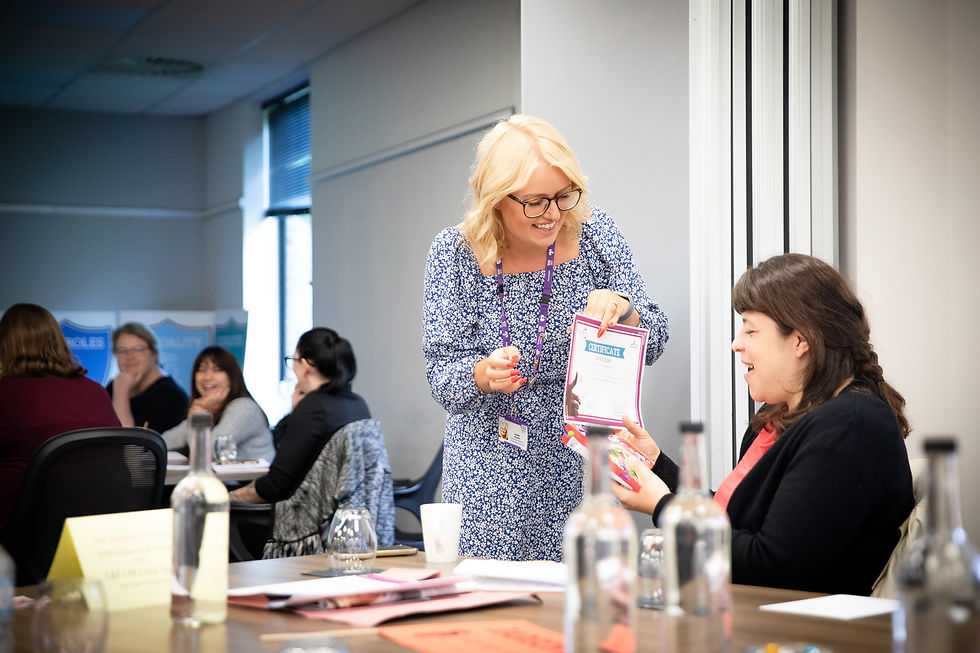
Natalie reflects on how working with the Academy’s Side-by-Side patient network has reshaped her understanding of co-production. Taking the time to understand the individuals involved, including their skills, experiences, and perspectives, has been transformative. What stood out most was that people brought far more than lived experience. They brought insight, creativity, and expertise. The Co-production in Action training programme began as a simple idea, but the final version looks completely different from what was first imagined. It is richer, more grounded, and far more impactful because it has been shaped collectively. It has been planned, delivered, and evaluated alongside Side-by-Side members. For Natalie, this has reinforced a powerful message. Co-production is not just an idea. It works in practice.
Anita’s perspective comes from her clinical background, where she often observed how easily the patient voice could be lost when changes were implemented. Moving into an improvement role and working closely with service users has completely shifted her thinking. It has strengthened her belief that meaningful change cannot happen without actively considering and involving the people most affected by it. This now underpins how she supports colleagues across the organisation.
Cara has seen how assumptions can sometimes create barriers to involvement. There can be scepticism about what patients, particularly young people, might contribute. In reality, their insights are often some of the most innovative. They approach challenges with a fresh perspective and suggest ideas that staff may never have considered. Another common assumption is that people may be too unwell to be involved. However, many individuals have shared that being part of improvement work has had a positive impact on their recovery, giving them a sense of purpose and contribution.
Across all of our roles, a clear theme has emerged. Meaningful and impactful improvement cannot happen in isolation. It requires collaboration, openness, and a willingness to listen, especially when what we hear challenges our assumptions.
We are here to support services to make the right change, not just any change. We also know that we cannot do this alone. The contribution of service users, Side-by-Side members, carers, and families is not an optional extra. It is an essential part of the process.
When we truly involve patients in improvement work, we do not just design better services. We create change that reflects real needs, delivers real impact, and ultimately works better for the people we are here to support.
As we celebrate Co-production week, we would like to take a moment to extend our sincere thanks to our Side-by-Side members and all the service users, carers, and families who work alongside the Academy of Research and Improvement. Your insight, experience, and willingness to challenge and shape our thinking are invaluable, and at the heart of everything we do. We would also like to recognise the incredible improvement work taking place across the Trust, led by teams who are embracing co--production and advocating for this way of working every day. Your commitment to involving patients meaningfully is what drives sustainable, impactful change.
If you are interested in strengthening patient involvement within your own improvement work, the Academy offers bespoke Improvement and Co production support. You can get in touch with us at HIOWH.takepart@nhs.net, or explore our workshops and programmes via our website: https://academy.hiowhealthcare.nhs.uk/workshops